

Ears pinning,
separated or protruding
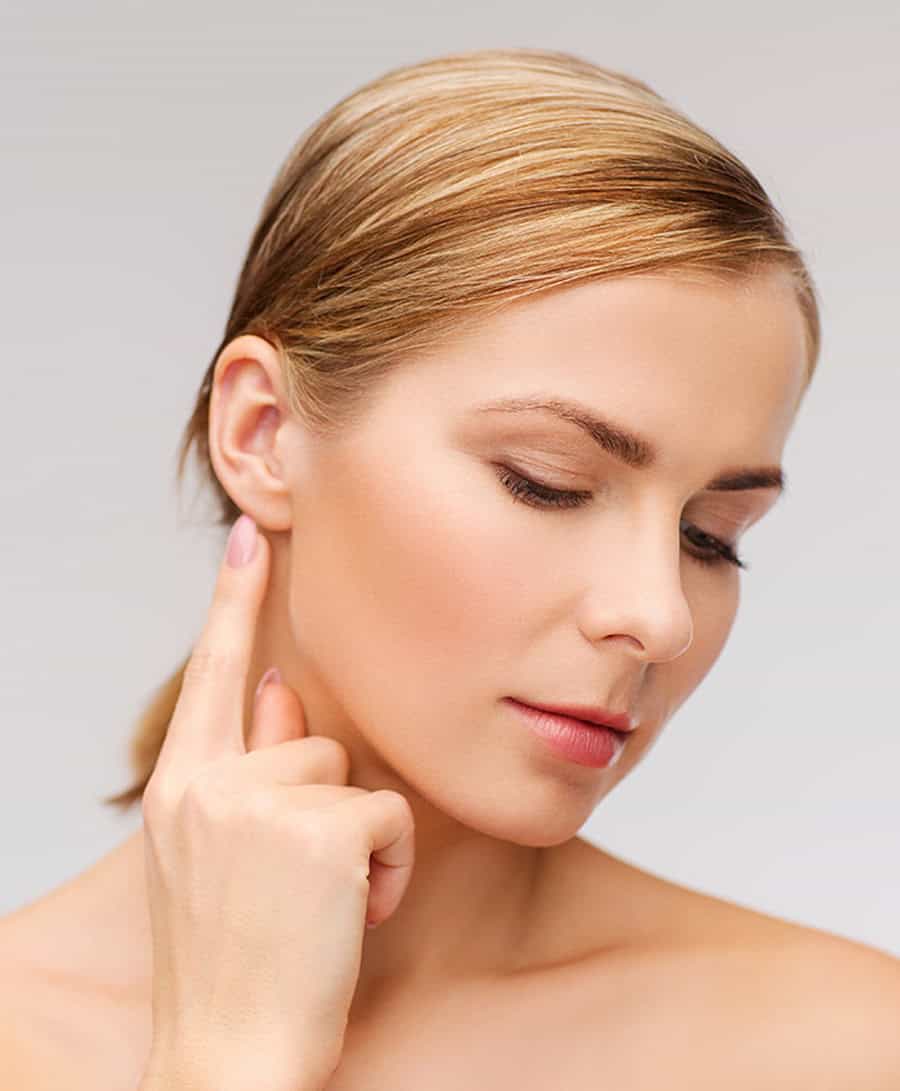
Ears that are too prominent can cause complexes and low self-esteem. They are known as separate or protruding ears. Correcting ears that are too far apart is not very complicated, but it requires a very thorough preoperative assessment and great attention to detail. The results must be natural and to achieve them it is essential that the surgeon has a lot of experience in otoplasties of all types.
Correct protruding ears
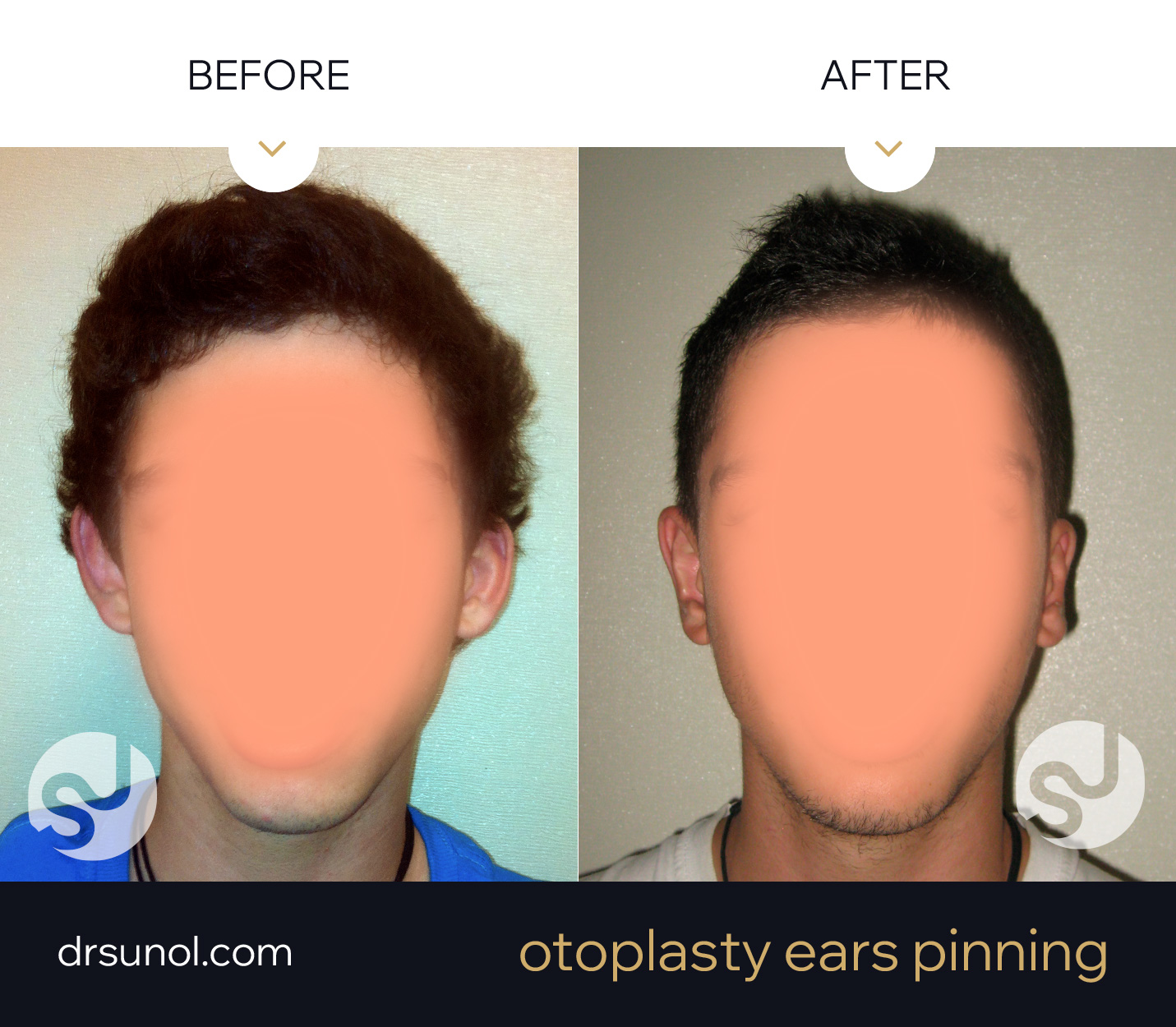
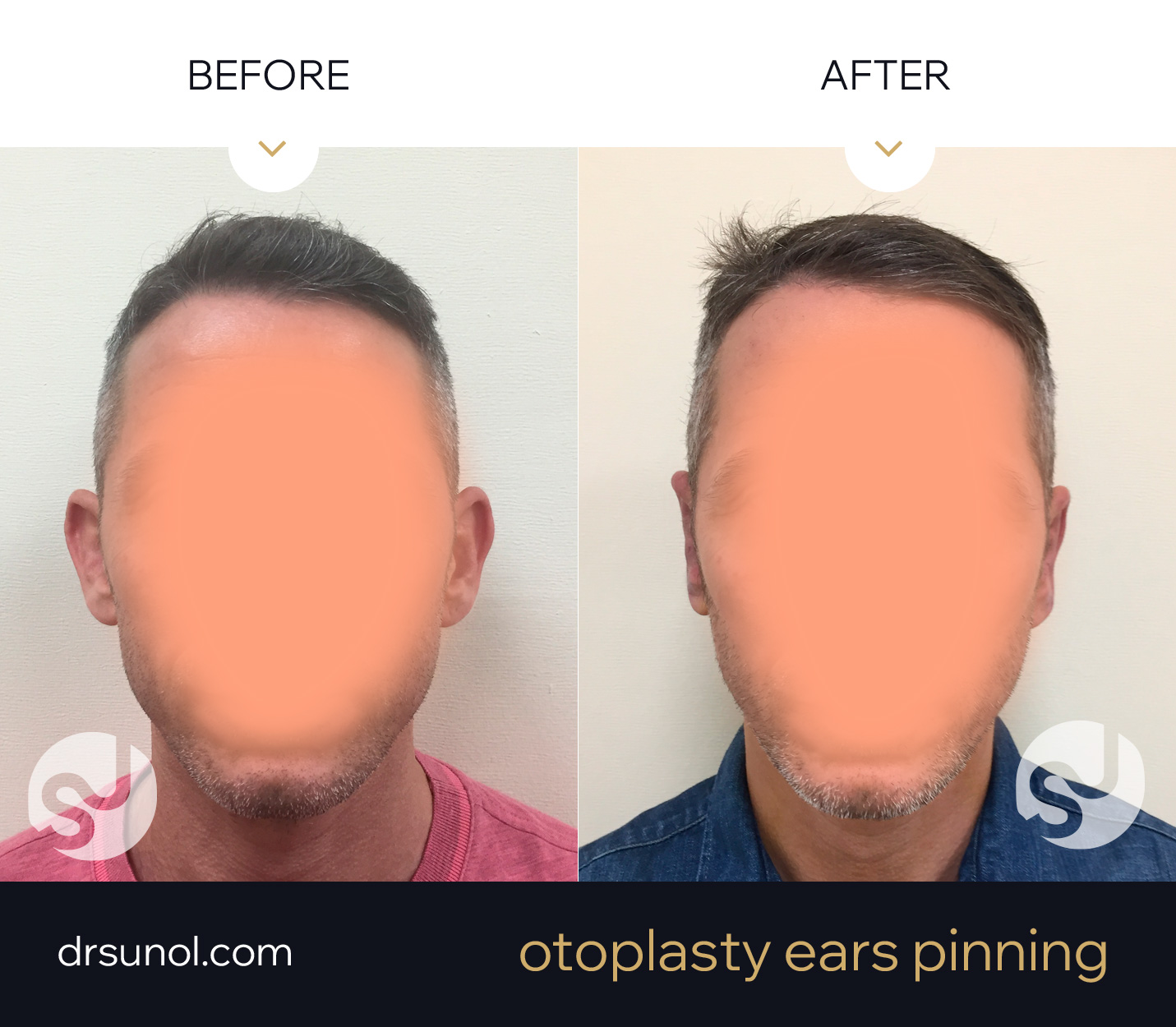
Prominent ears that are separated or protruding from the head, commonly known as protruding ears or ear pinning, can be corrected and positioned closer to the head through minimally invasive surgery, which is performed under local anesthesia. To bring the ears closer to the head, an incision is made behind the ear, in the natural crease where the ear joins the head. The resulting scar is almost imperceptible.
There are different surgical techniques to modify the shape of loop ears, the goal of which is to achieve an ear that is anatomically proportioned and natural-looking, while maintaining or restoring the normal folds and angles of the ear (such as the helix and antihelix):
- There are techniques that are based on weakening and/or reducing specific parts of the ear cartilage, thus allowing it to change its shape.
- And others that use permanent or temporary sutures (that are reabsorbed) to model and approximate the structures of the ear.
Depending on each case, it may be necessary to treat different areas of the ear, to position it harmoniously closer to the head:
- Lower area: the ear lobes can be turned slightly or rotated, if they are too visible in the front view.
- Middle zone: the excessively large ear concha can be reduced.
- Upper area: The pinna can be brought closer by slightly bending the antihelix with Mustarde sutures.
Dr. Suñol´s Advice
We do not recommend techniques that involve placing one or more curved implants under the skin in the front of the ear to “pinch” the antihelix fold. These practices do not allow the degree of folding necessary to be adequately adjusted according to the type of ear and the thickness of the cartilage, and they usually give mediocre aesthetic results. In addition, they may present additional complications such as infection, palpation of the implant, discomfort and stiffness.
What is the scar like after surgery for separated ears?
The scars are barely visible since they are behind the ears.
All skin sutures are resorbable and fall off on their own after about 10-20 days (it is not necessary to remove them).
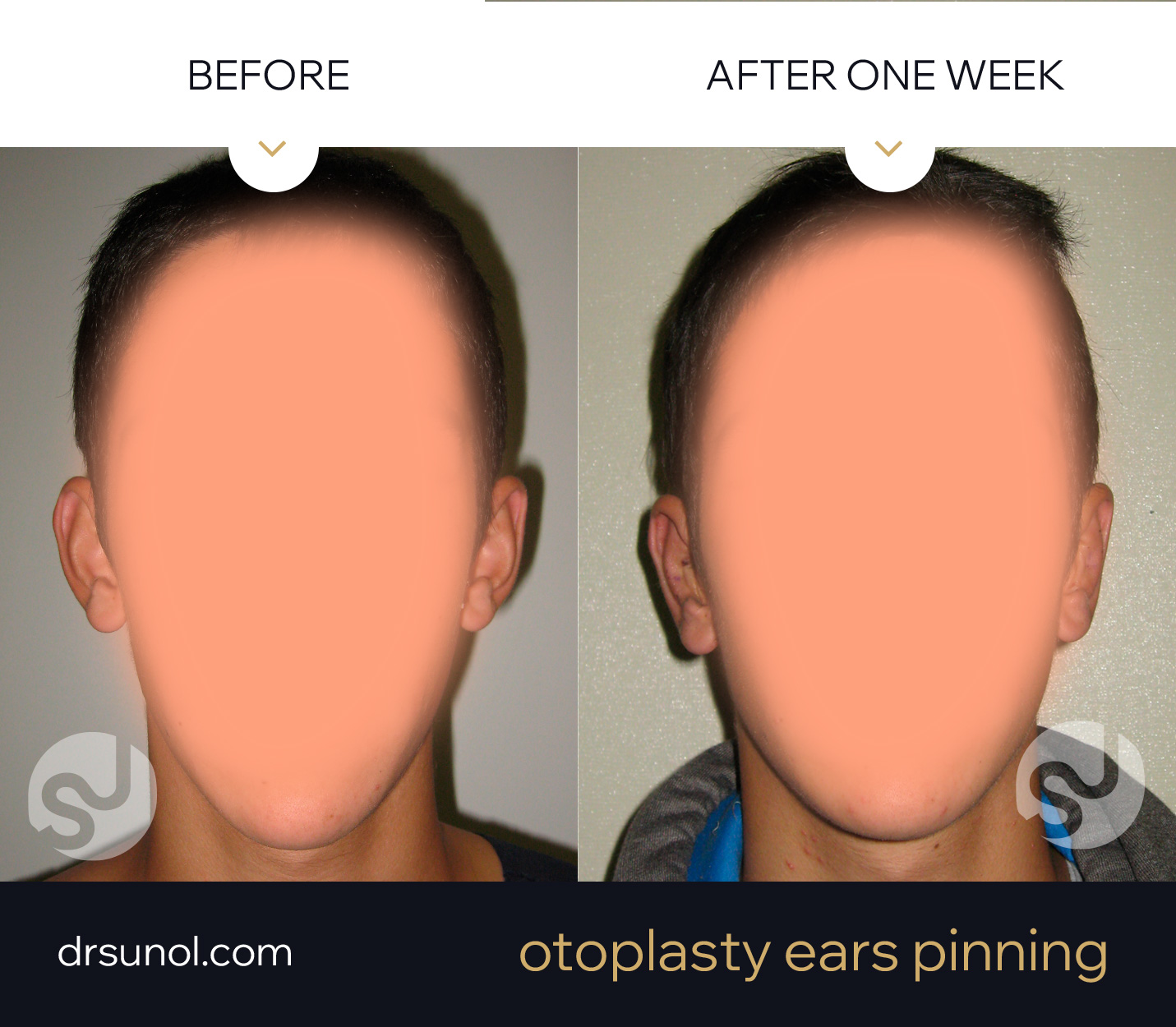
There may be mild pain and discomfort that lasts a couple of days and is treated with mild pain relievers. Most swelling and bruising resolve within a week.
Avoid problems by consulting an otoplasty specialist
Some doctors who are not used to perform separate ear surgery often proceed incorrectly by removing excess skin from the area behind the ear, believing that it will be left over when the ear is brought closer to the head. Through this procedure, by closing and suturing the incision, what is achieved is that the ear is deformed and that cartilage and folds are bent. As a consequence of this, cases arise that can only be solved with a secondary otoplasty that will attempt to correct the deformity through the use of skin grafts.
Ear surgery before and after
Preoperative
- Recent blood analysis (less than 6 months).
- Do not take medications that alter coagulation (aspirin, minoxidil, etc).
- It is not necessary to come fasting.
Anesthesia
- Local anesthesia (without sedation) in a quiet environment.
- Personally carried out by Dr. Joaquim Suñol.
- Completely painless.
Duration
Ears separated: 1.5 hours.
Care after ear pinning otoplasty
- Prevention antibiotic: 3 days (Azithromycin 1 tablet of 500mg/day).
- Analgesia: Paracetamol 1g/6h if there is pain.
- Do not wet wounds: 2 days.
- No smoking: 7 days.
- Apply 96º alcohol to the wounds after showering.
- Elastic band 24 hours/day during the first week (it can be removed a few hours a day).
- Elastic band to sleep during the second week.
- Resorbable sutures fall off on their own after 10-15 days (it is not necessary to return to the office to remove them).
Recovery
Although it depends on each case, in general:
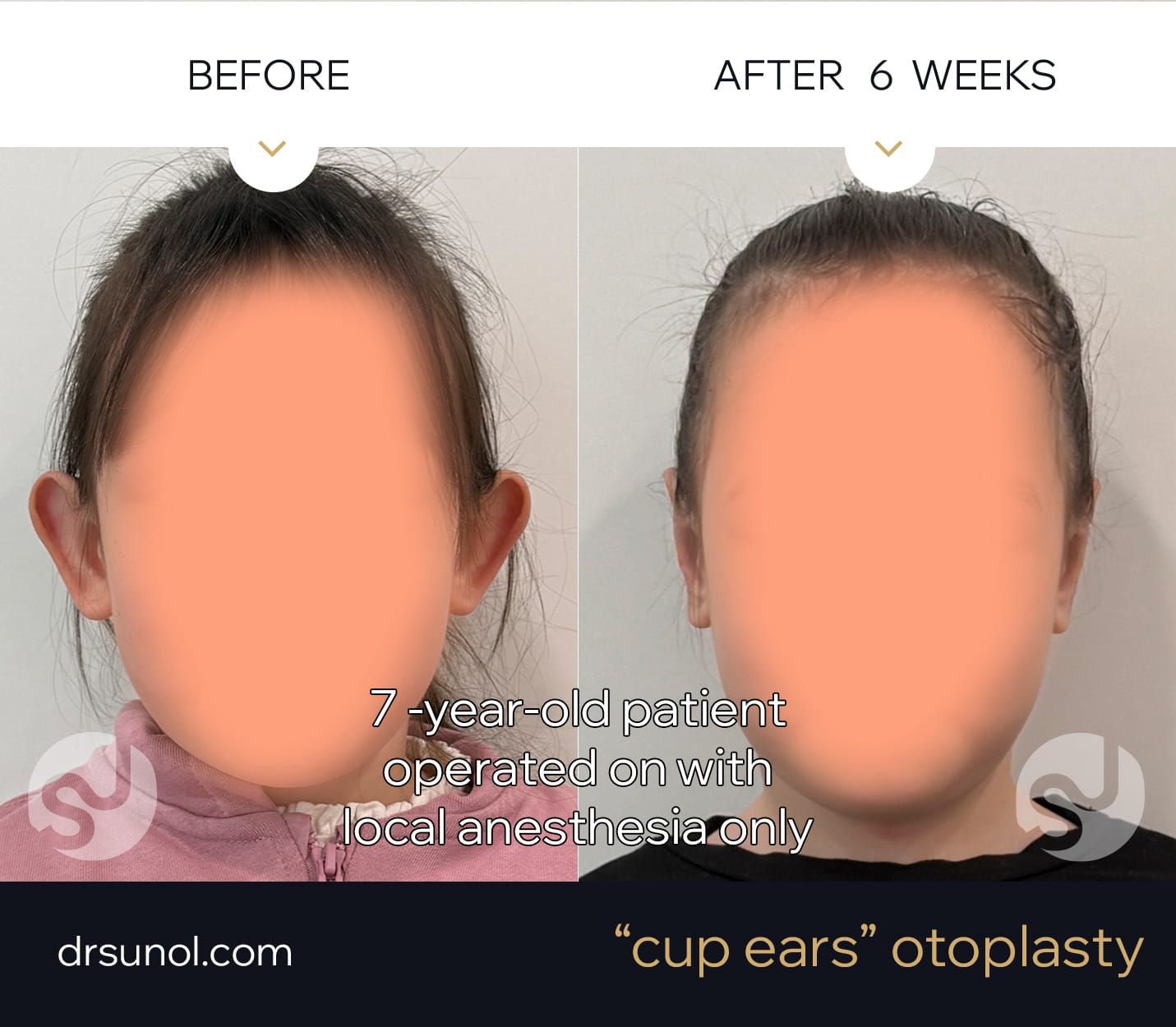
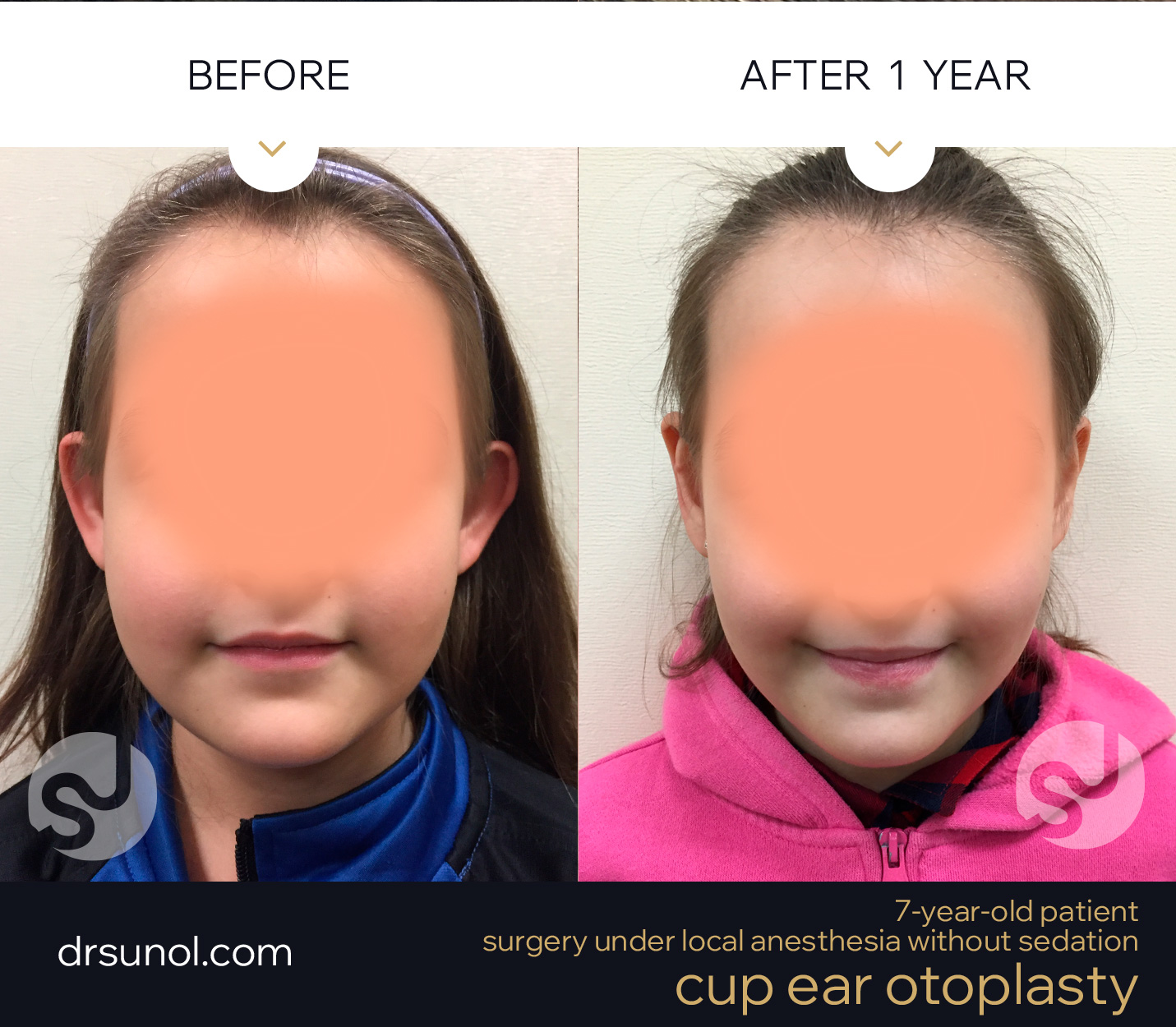
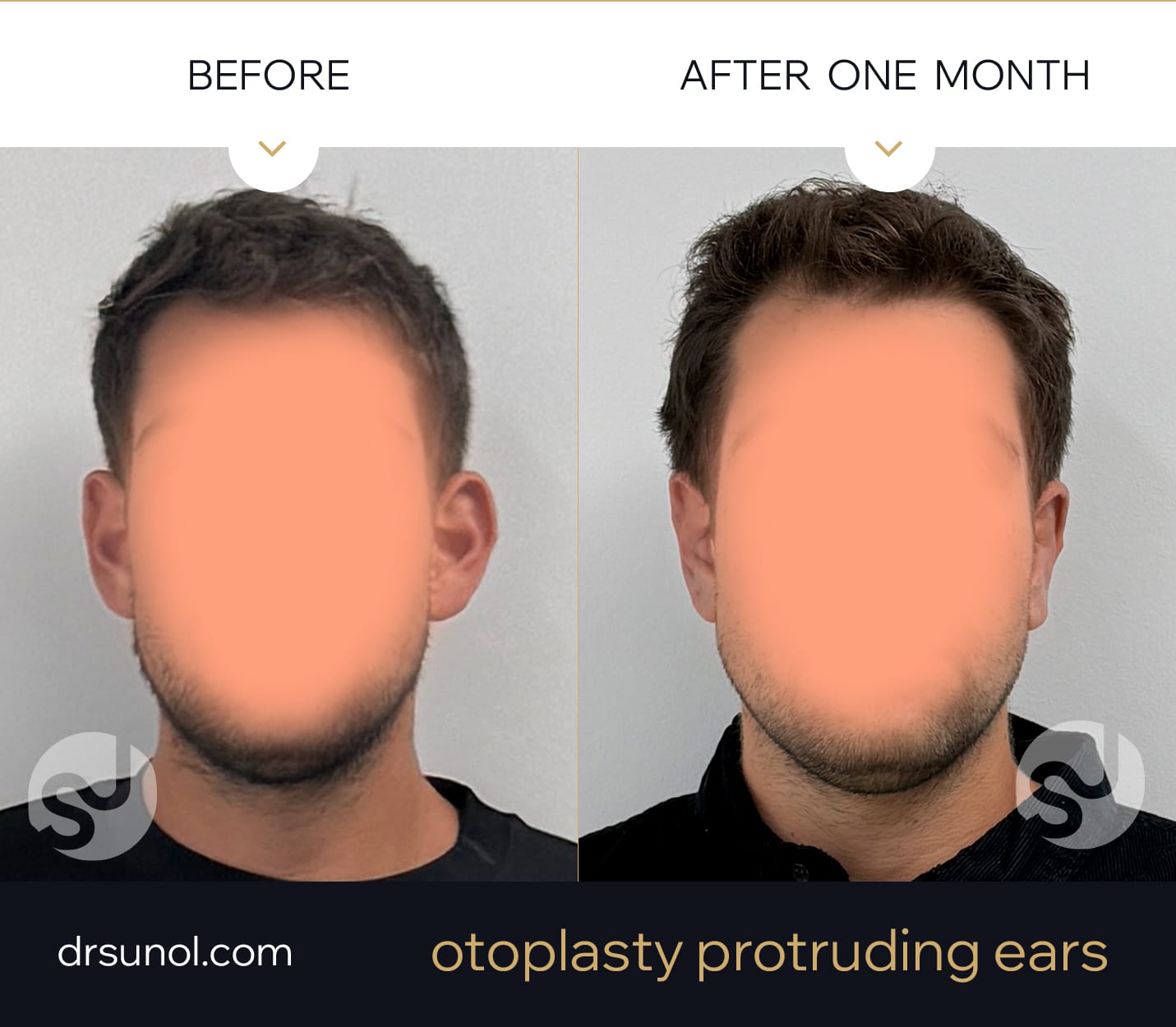
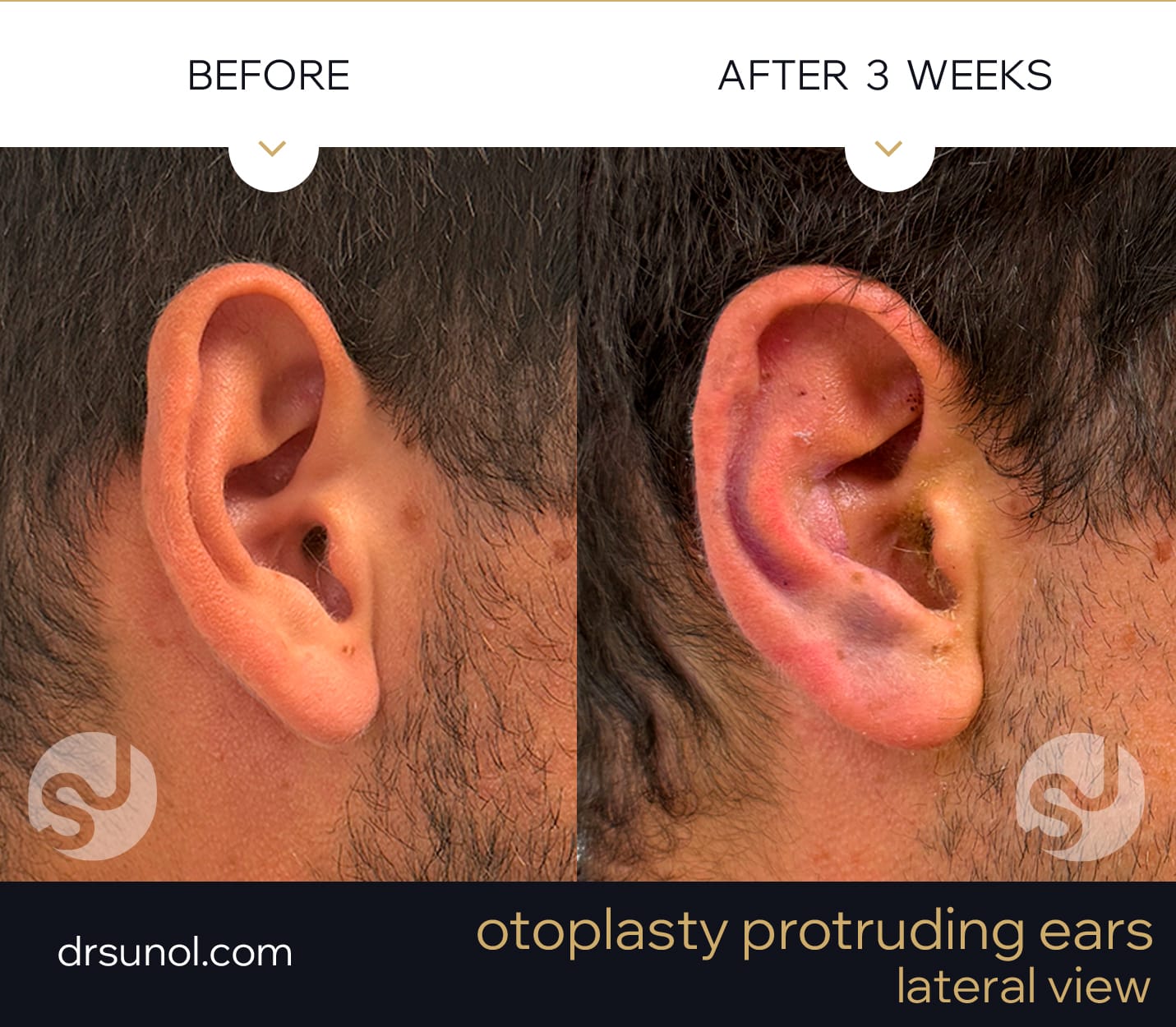
- In the first two days, swelling and bruising appear.
- From the third day onwards the ears become less swollen.
- After a week there are still traces of inflammation and bruises, which will progressively resolve as the days go by.
- Avoid baths and swimming pools for 2-3 weeks.
- Avoid physical activity for 1-2 months.
- Avoid contact sports for 8 months.
- Apply sun protection on scars during the first summer.
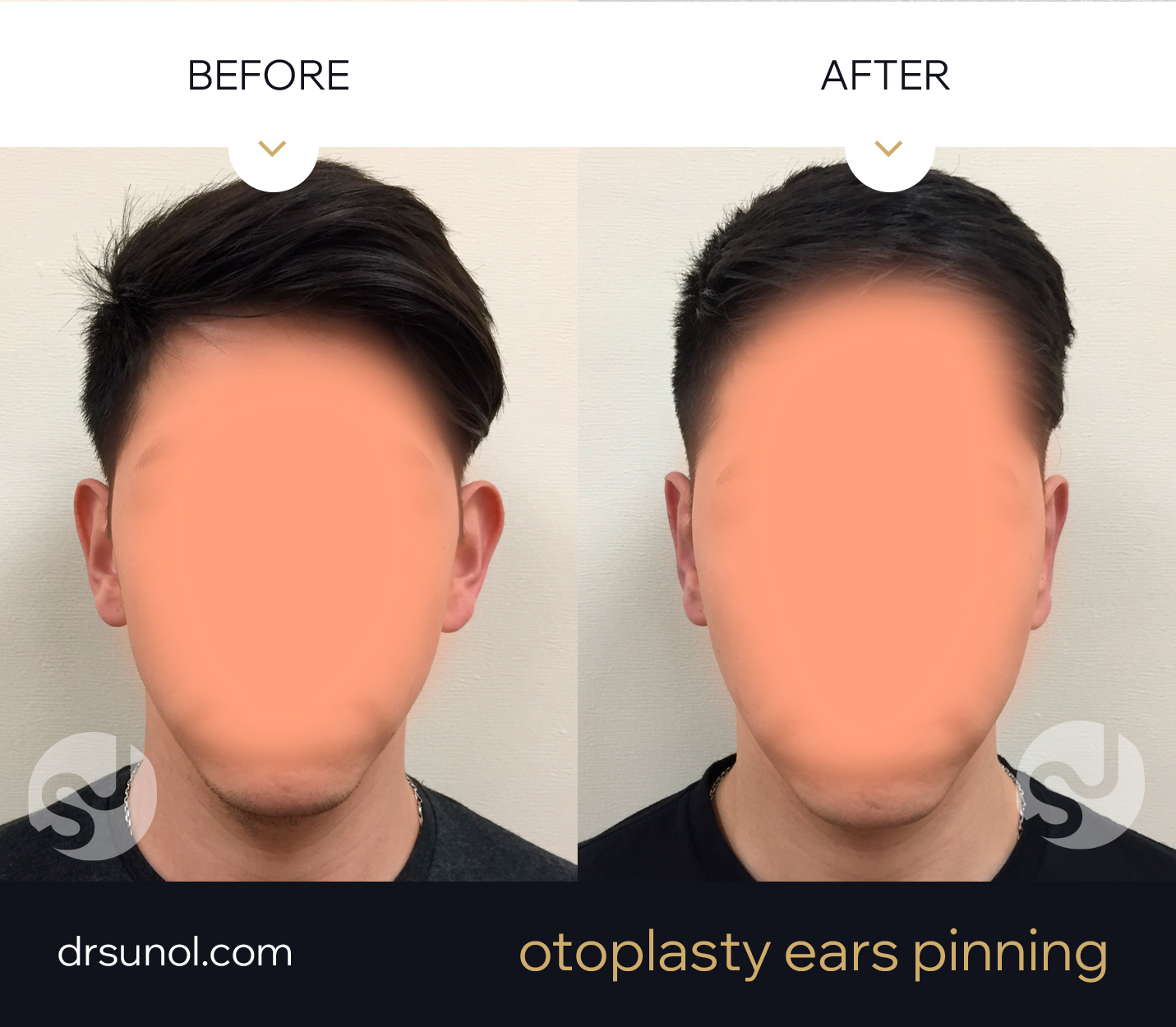
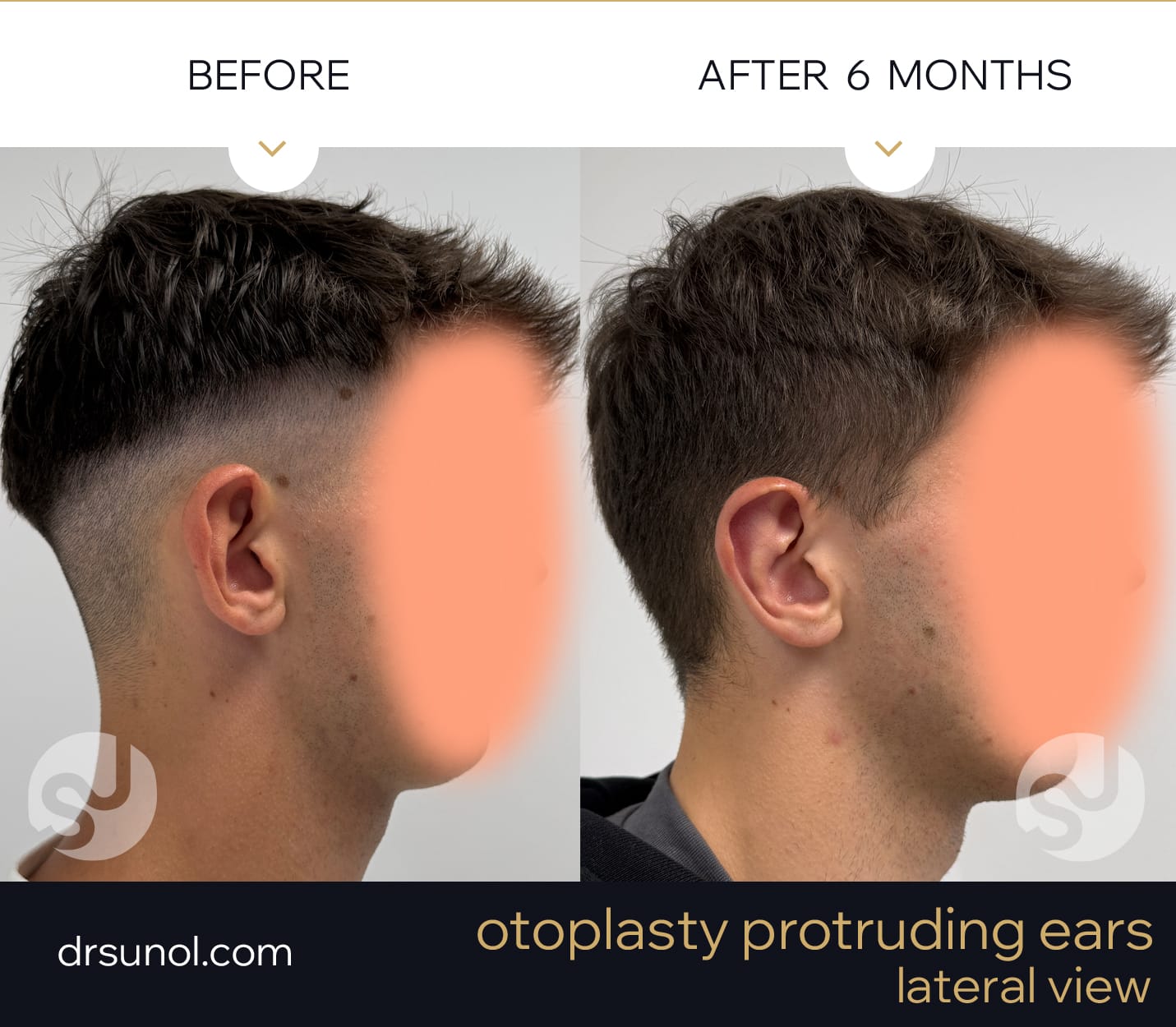
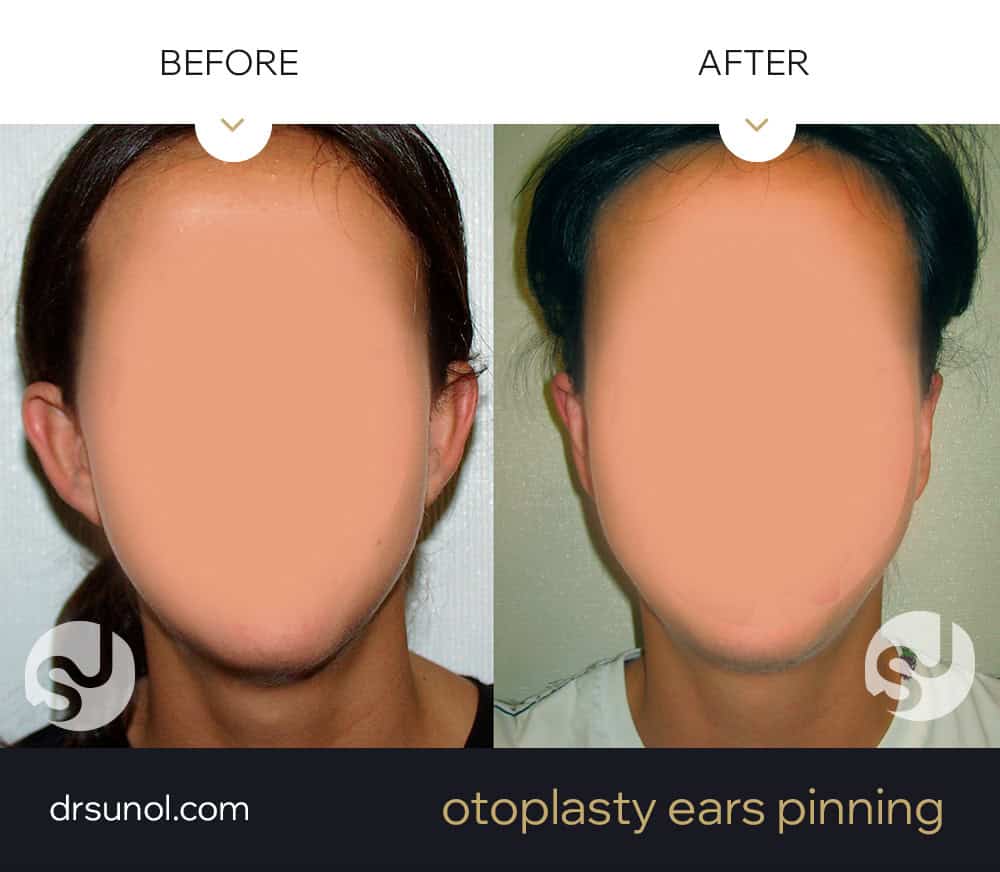
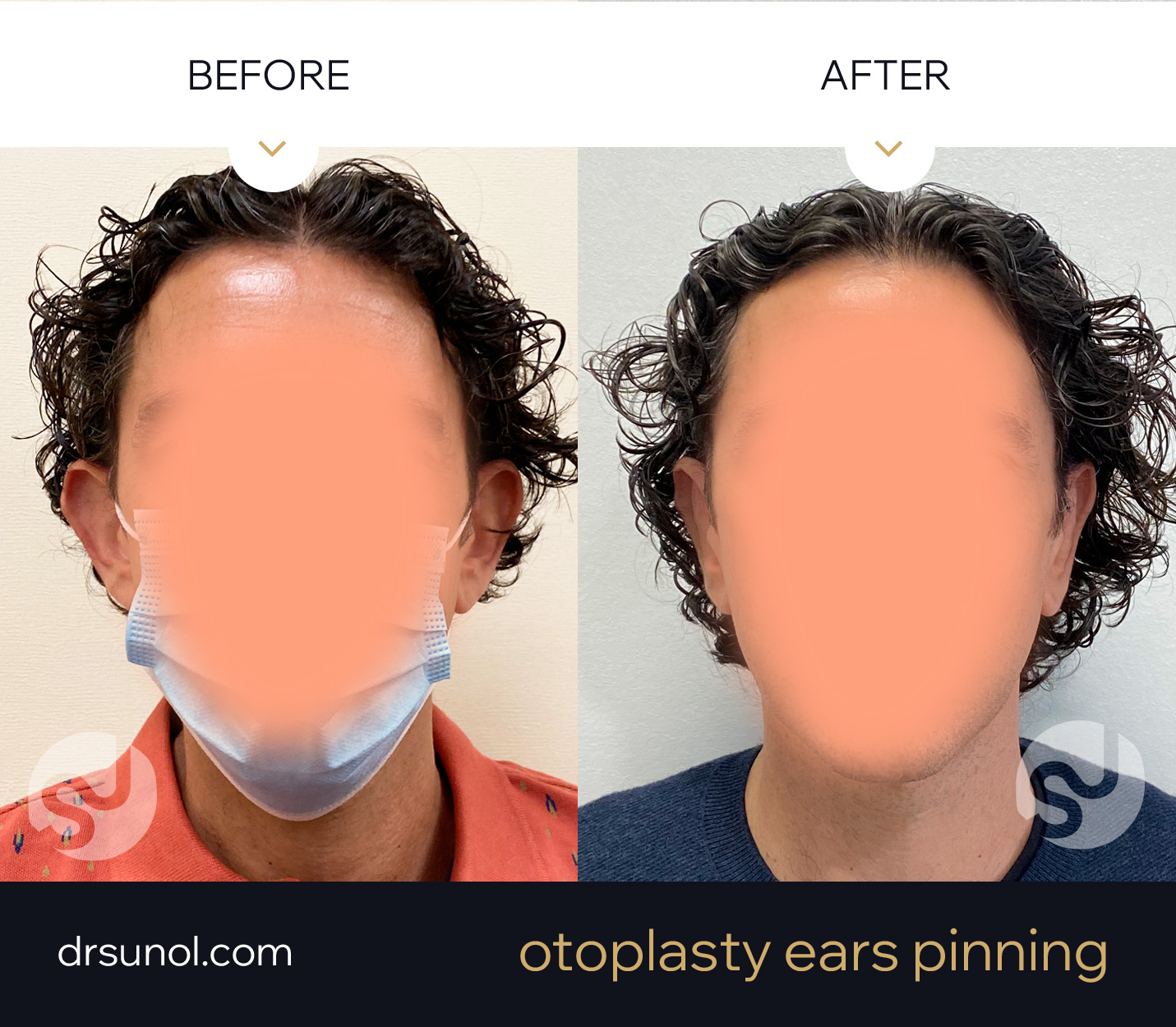
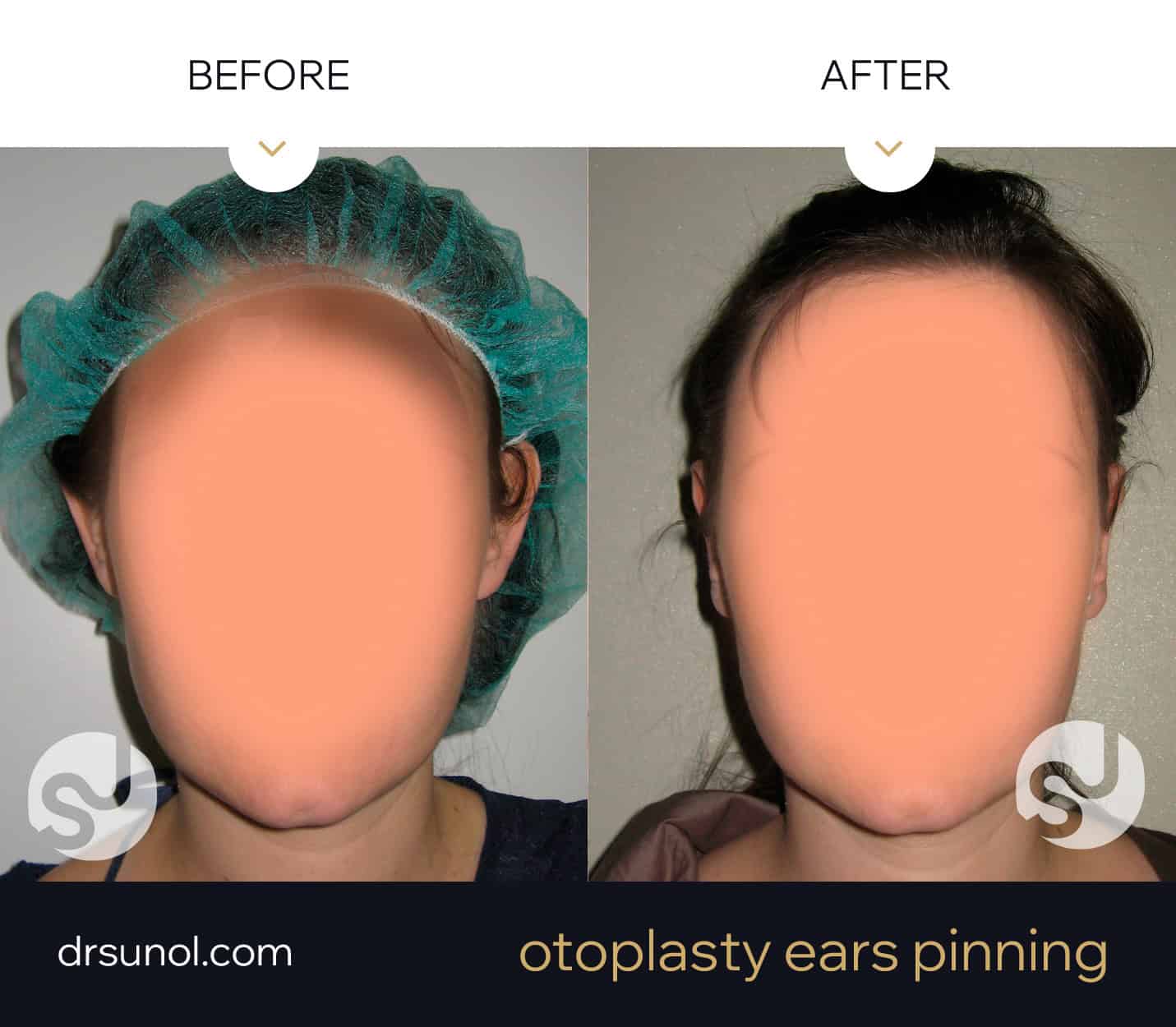
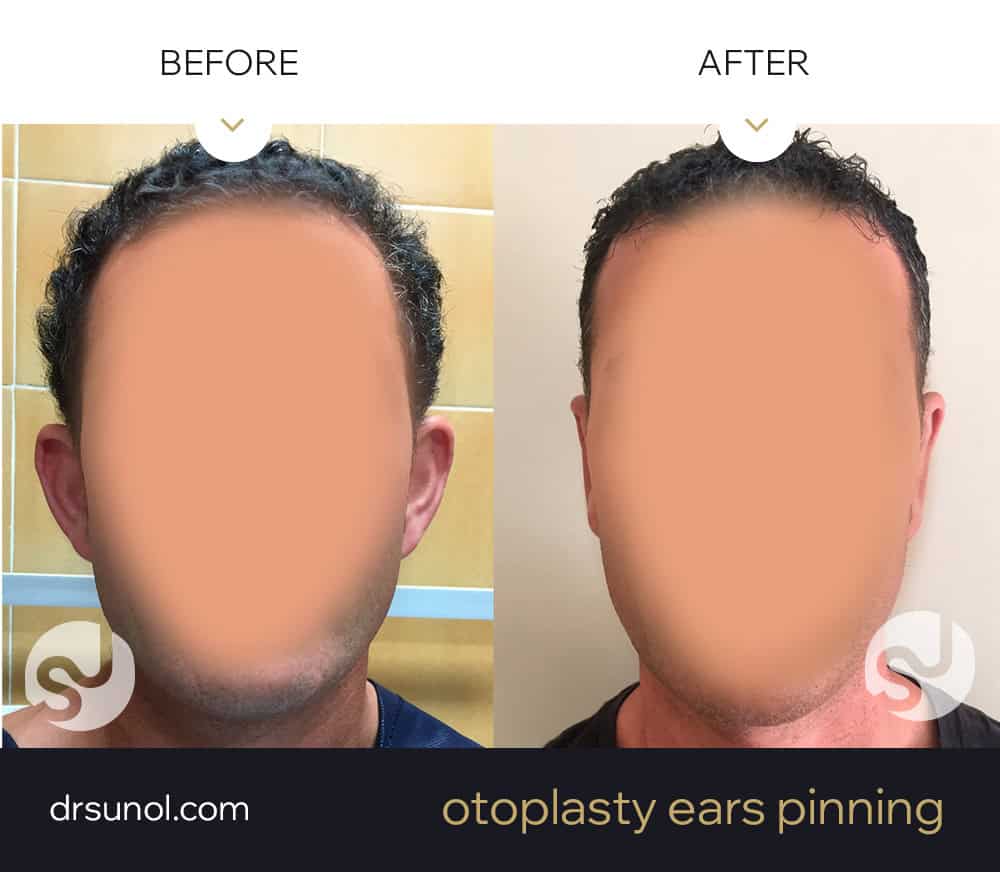
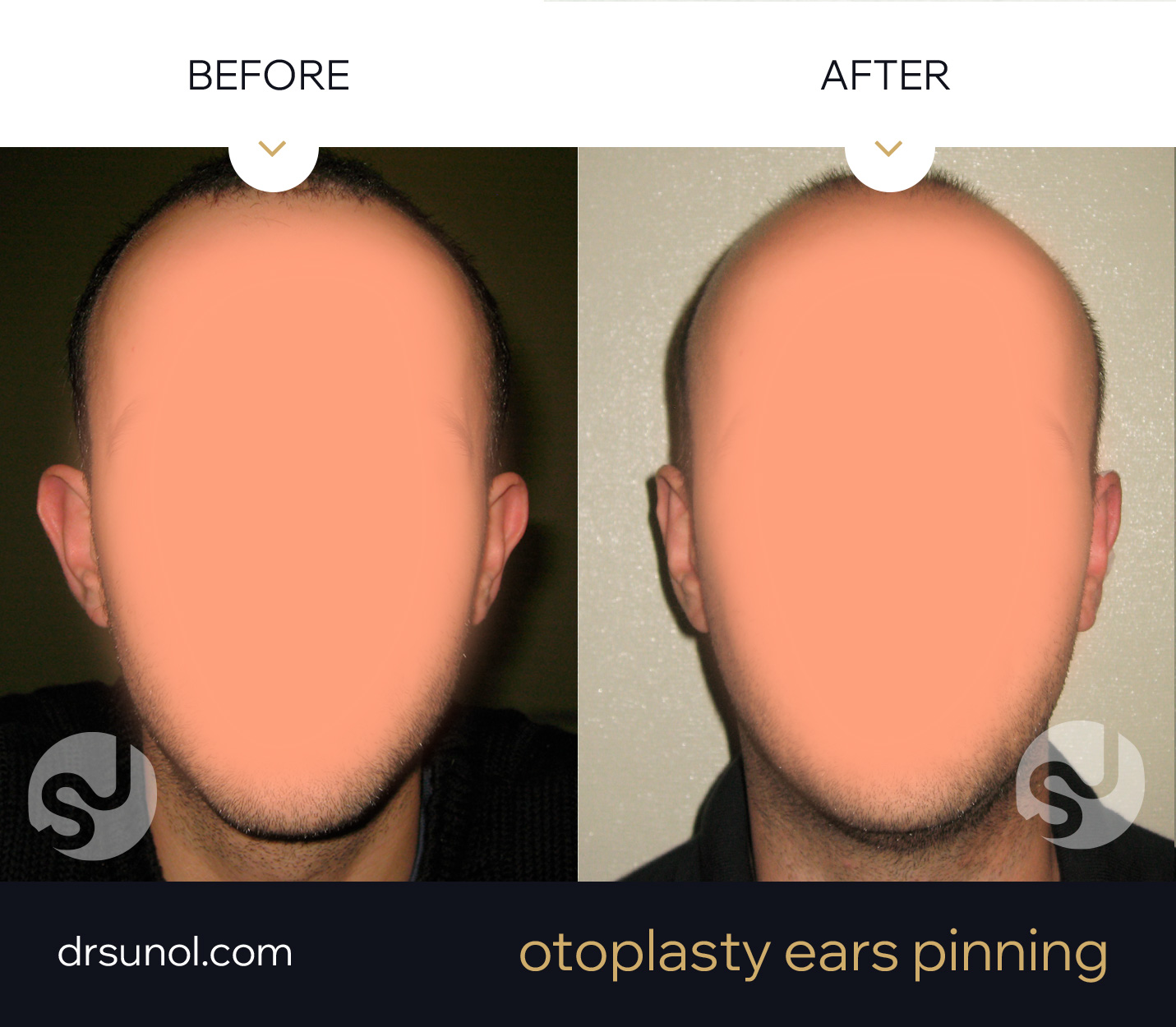
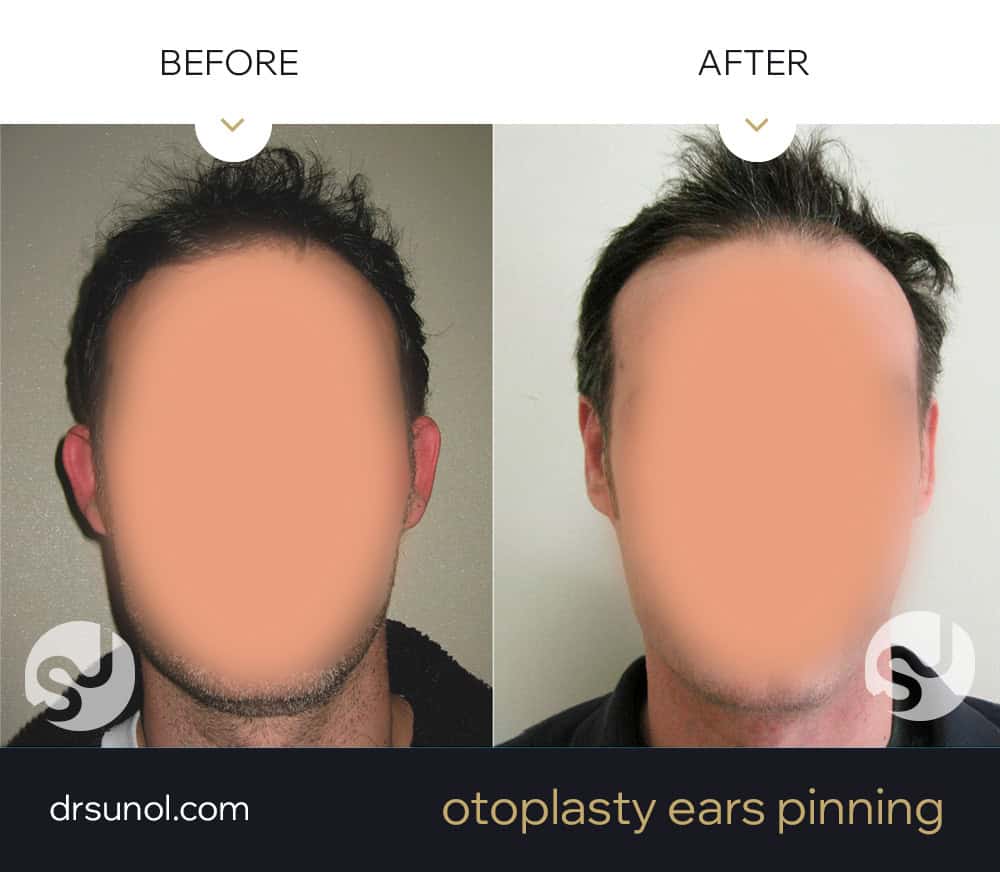
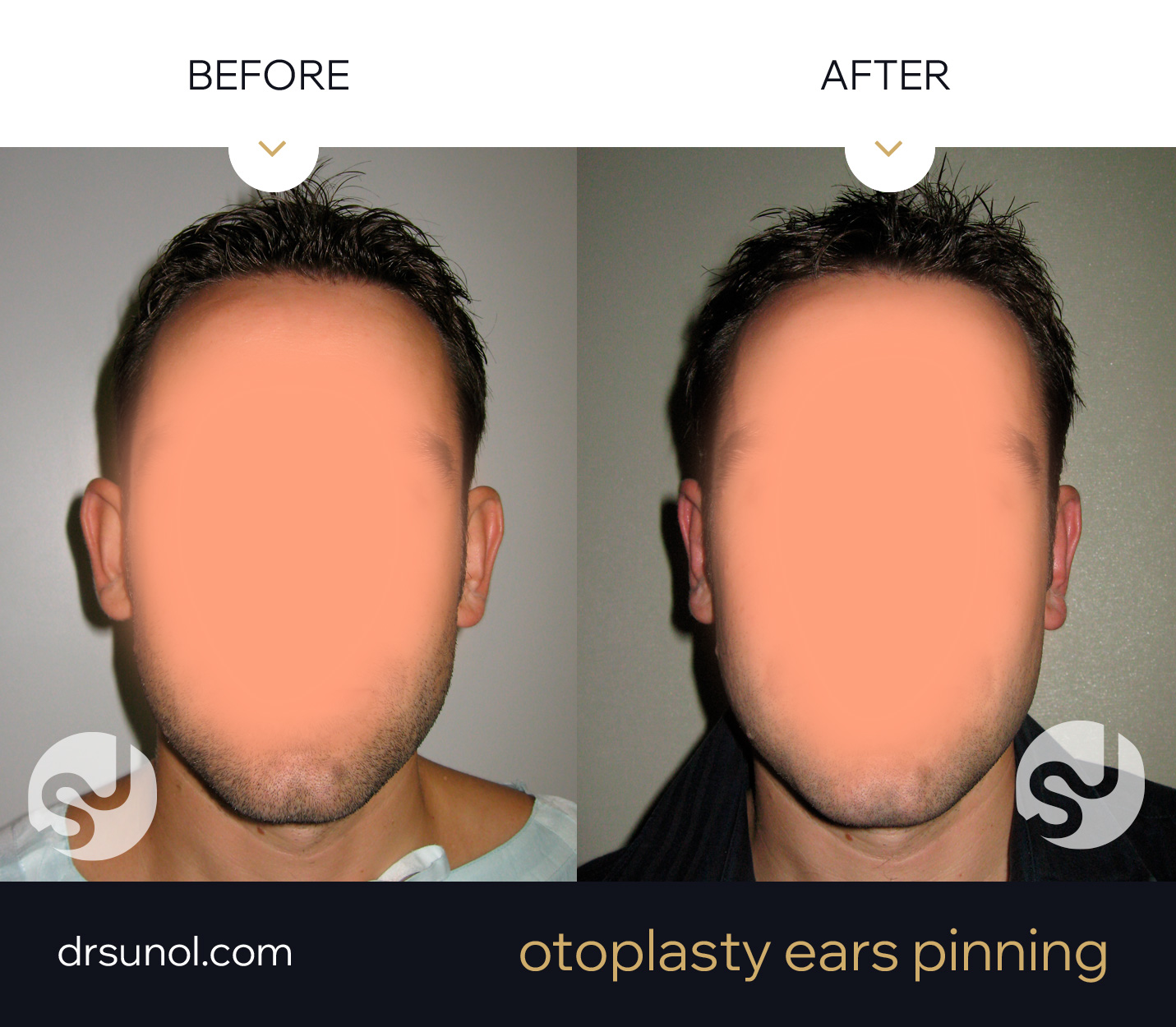
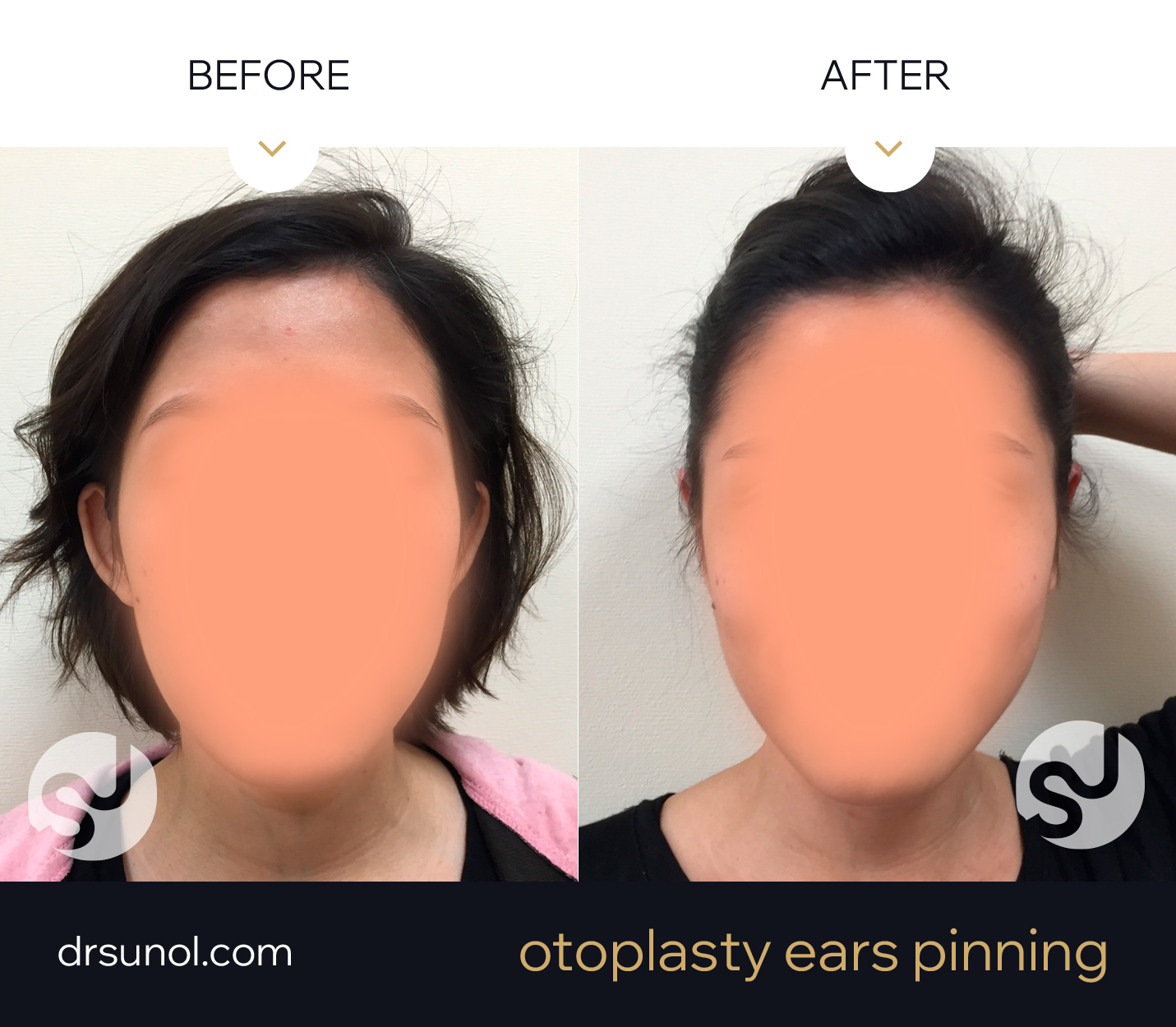
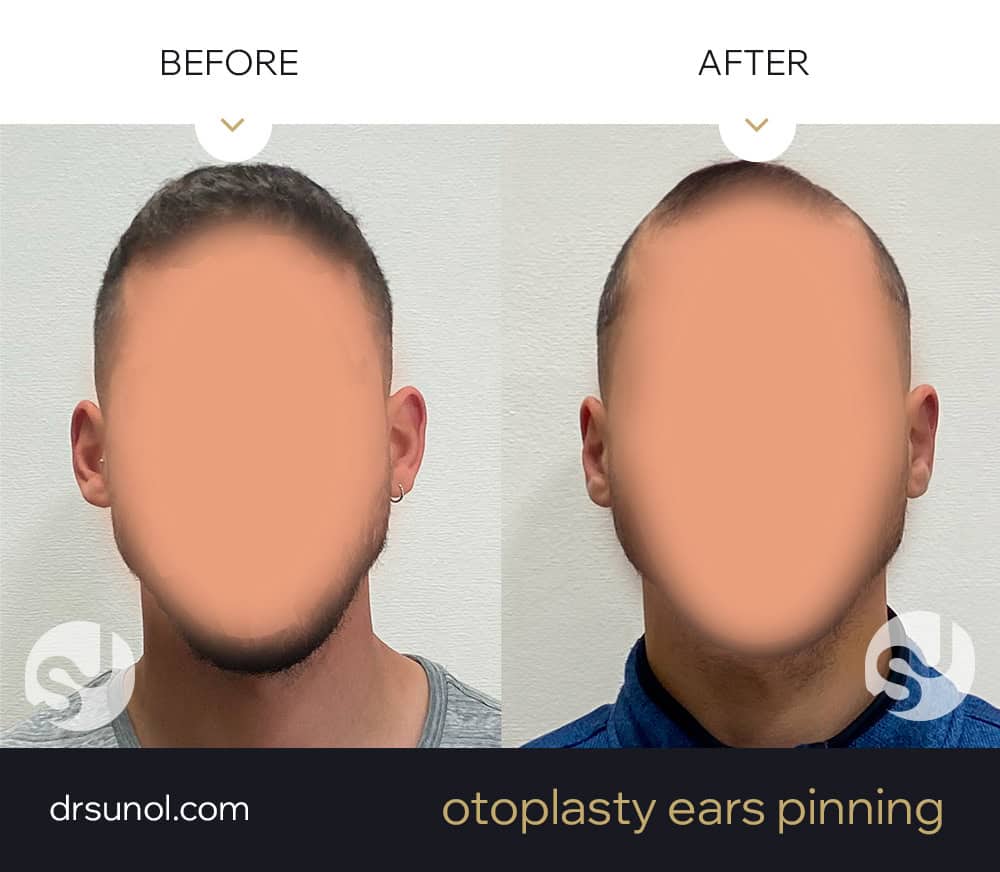
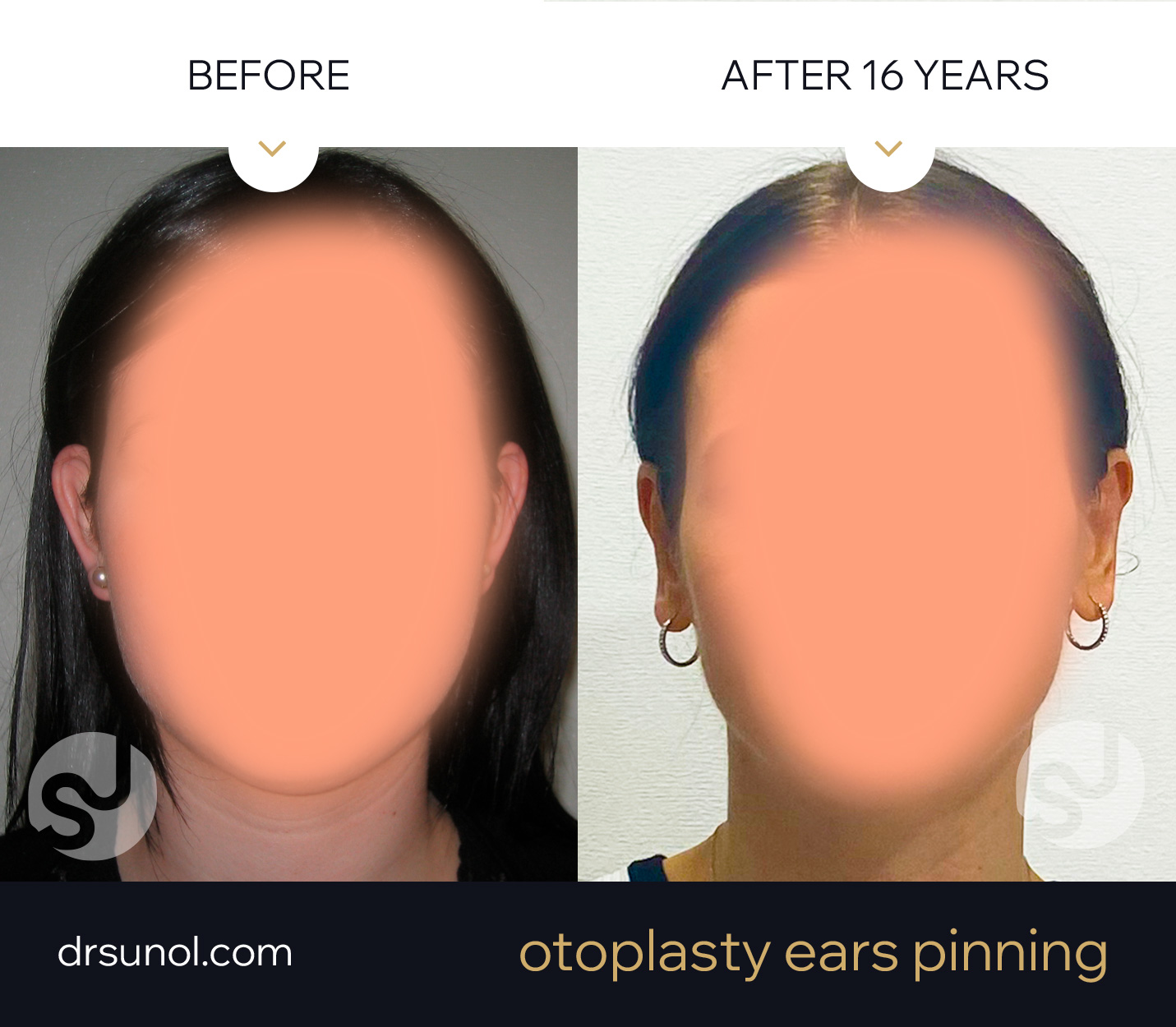
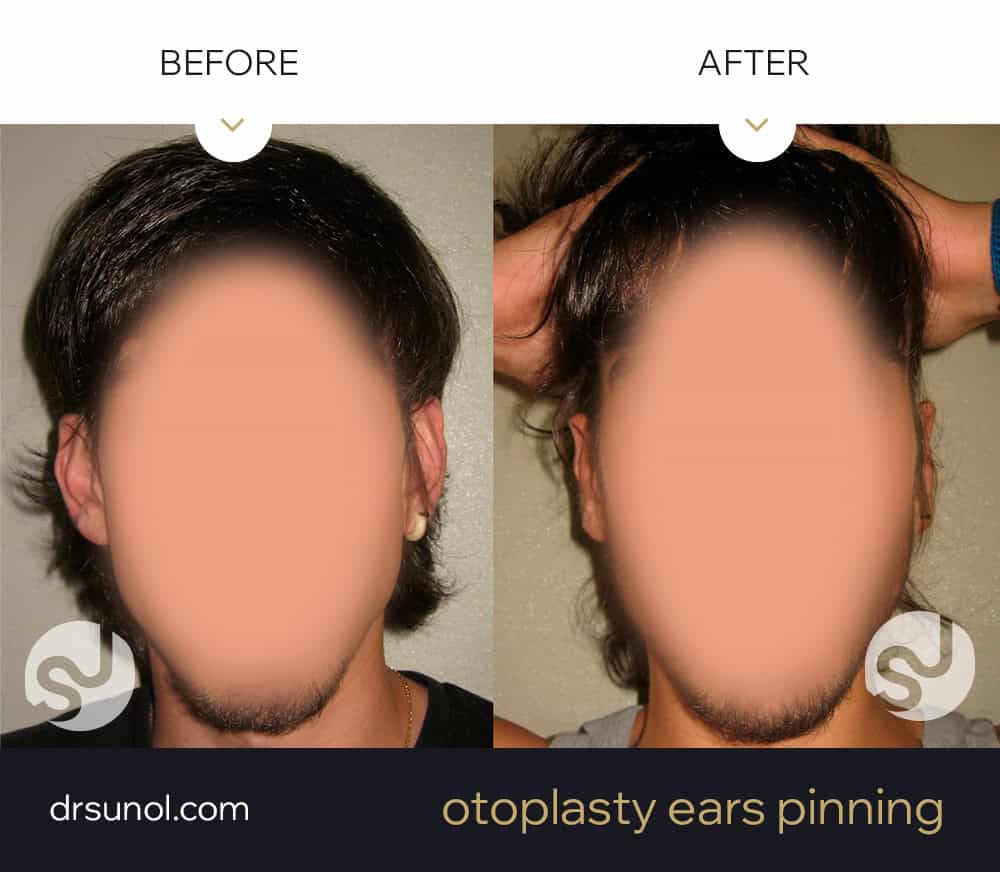
How do the ears look after the operation to glue the ears to the head?




Operation ear pinning price
The price of protruding ears surgery includes the fees of the plastic surgeon, assistants and clinic expenses such as outpatient operating room, materials and medications. The final cost may vary depending on the technique and complexity of the intervention.
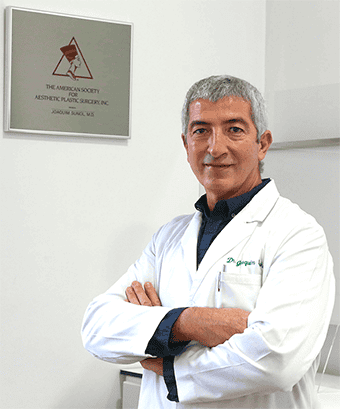
Surgeon expert in surgery for separated ears in Barcelona
With extensive experience in Otoplasty or Plastic Surgery of the Ear, Dr. Joaquim Suñol has become a world reference in Otoplasty and offers his patients permanent results of the highest quality.
If you are looking for one of the world’s best surgeon for Protruding Ear Otoplasty, make an appointment at Doctor Suñol’s office located at the Evangelic Hospital of Barcelona, Spain.
Questions about protruding ear

Make an appointment with Dr. Suñol
